In response to “UCRRA Becoming More Affordable” in the Kingston Wire on November, 1, 2026
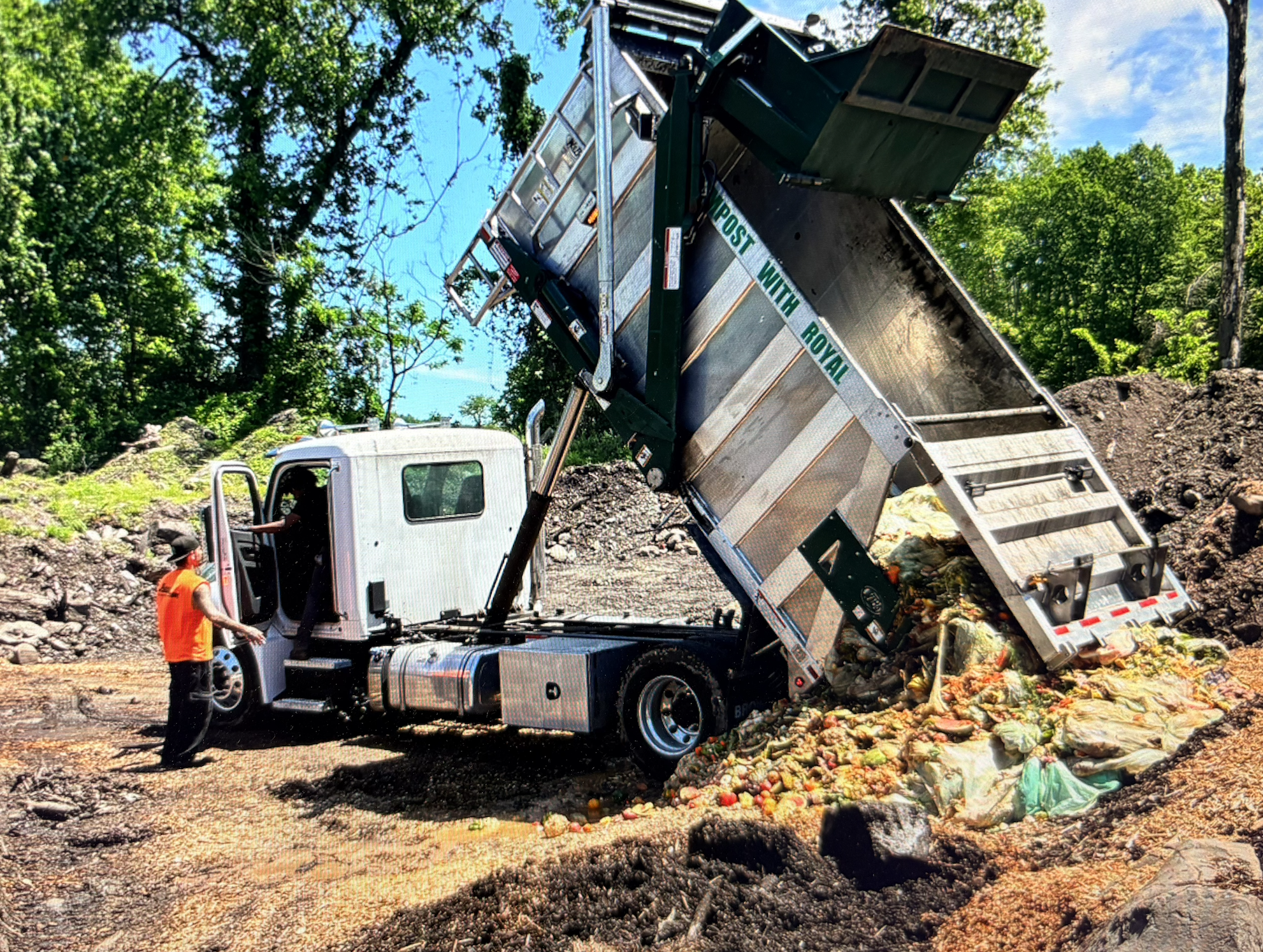
Ulster County is in an enviable position when it comes to food waste management. We have an established network of public and private composting facilities, strategically located throughout the County, with the capacity to process substantially more food waste than we currently collect.
That is an important foundation for building a more sustainable, resilient and affordable waste management system. We should be strengthening it, not putting it at risk.
On October 22, the Ulster County Resource Recovery Agency (UCRRA) Board voted to eliminate its tipping fee for food waste, moving the effective date up to November 2, rather than the originally anticipated start of the new year. The decision has been presented as a way to make waste management more affordable and encourage greater food waste diversion.
Making food waste diversion more affordable is a worthwhile goal. But we need to look at the broader implications of this decision and ask whether eliminating one facility’s tipping fee is actually the best way to accomplish it.
This is not about protecting private businesses from public competition. It is about recognizing that public and private facilities are part of the same waste management infrastructure. They provide different outlets and collectively create the capacity and redundancy necessary for a successful countywide system. Undermining one part of that system ultimately weakens the whole.
Consider what happened when UCRRA reached its permitted annual capacity for food waste. Haulers were able to redirect their material to Greenway’s and Community Compost’s facilities without interrupting the flow of food waste. When UCRRA resumed accepting material in January, its customers returned. That is how a resilient system should work. When one facility reaches capacity or experiences operational challenges, other facilities can help keep material moving.
Ulster County currently has approximately 15,000 tons of annual food waste processing capacity among UCRRA, the Town of New Paltz, Community Compost and Greenway. Yet only about 6,500–7,000 tons are collected annually. We have more than twice the processing capacity we currently use.
The challenge isn’t a lack of places to process food waste. It is getting food waste from generators to those facilities.
That is where investment is needed. Rather than eliminating its tipping fee and potentially putting private processing capacity at risk, UCRRA could use revenue from its fuel surcharge to fund grants that help haulers expand food waste collection. Haulers need to invest in vehicles and equipment before they can add food waste collection to the routes they already serve, reaching more businesses, institutions and residents. Supporting that investment would make better use of existing processing infrastructure, increase food waste diversion and benefit the entire County.
There is also a much larger affordability question that deserves attention.
The Kingston Wire framed UCRRA’s recent fee changes as a response to the economic crisis. But when we talk about the cost of waste management in Ulster County, we should be looking at the tipping fees associated with municipal solid waste, too.
Much of that waste contains organic material that could be separated and composted locally. Instead, we pay to haul it more than 250 miles to Seneca Meadows, where we are subject to tipping fees and transportation costs largely outside our local control.
Every ton of organic material we can divert locally is a ton that doesn’t need to be transported and disposed of there. Expanding local food waste collection and processing is an opportunity to reduce those costs while keeping more of our waste management infrastructure and investment close to home.
There is something contradictory about trying to make waste management more affordable by eliminating fees at a local composting facility while failing to make the investments needed to remove organics from the much larger municipal solid waste stream.
We should be asking how to build a system that works for everyone: municipalities, residents, haulers, public agencies and private composting businesses. That means making food waste diversion accessible, investing in collection capacity, maintaining multiple processing outlets and reducing our dependence on long-distance disposal.
UCRRA has an important role to play in making that happen. But it cannot be accomplished by looking at the agency’s individual tipping fee on organics in isolation from the broader system.
We have the beginnings of something valuable in Ulster County. Let’s build on it rather than put it at risk. Tell UCRRA to pause the elimination of its food waste tipping fees until the potential impacts on Ulster County’s existing public and private composting infrastructure, local businesses, haulers and the broader community can be discussed.