KingstonCitizens.org invites community members and advocates in Ulster County to participate in a series of spring webinars focused on proposed changes to state environmental review, local zero waste solutions, and civic engagement—including Charter Reform—equipping the public with knowledge and opportunities to take action.
These events are free. Please register below to learn how you can engage locally on these issues.
Thursday, March 26 at 6:00pm
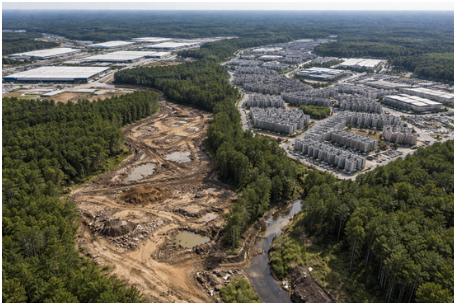
The Future of Environmental Review in New York State — What It Means for Local Communities
With special guest Drew Gamils, Senior Attorney, Hudson Riverkeeper
Register: https://hostyurl.com/HH1Ezx
New York State is at a critical moment. Proposed changes in the State budget could significantly alter how environmental review is conducted—raising serious concerns about impacts on public health, community voice, and environmental protection.
For decades, the State Environmental Quality Review (SEQR) process has served as a vital tool for municipalities. SEQR plays an essential role in helping local decision-makers fully evaluate development projects. It ensures a comprehensive, holistic review of local issues—examining traffic, cumulative impacts, environmental risks, and more. Importantly, SEQR is the only process that requires developers to identify and mitigate these impacts before projects move forward.
Now, swift and potentially harmful amendments being considered as part of the state budget—expected to be adopted by the end of March—could weaken these protections. These changes may limit thorough review, reduce accountability, and ultimately jeopardize the health and well-being of communities across New York. The public deserves to understand what’s at stake—and what can be done.
Participants will learn:
- What SEQR is and why it matters
- How proposed budget changes could impact environmental review
- What these changes mean for local communities
- The status of pending SEQR regulations
- How to take action
Sunday, April 12 at 7:00pm
Ulster Toward Zero Waste
With special guests Greenway Environmental Services and others TBA
Register: https://hostyurl.com/unUSlP
There is no “away” in throw-away.
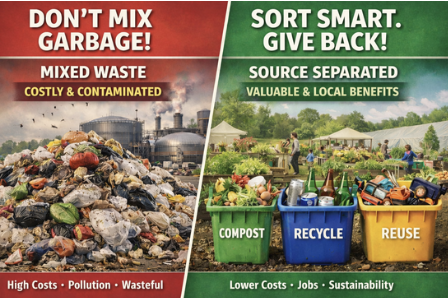
What if much of what we call “waste” could instead become a resource? By reducing waste at the source, expanding reuse, separating organics, and recycling properly, communities are showing we can dramatically cut what gets discarded. Communities like New Paltz are already demonstrating practical, local solutions. The New Paltz model shows how community-based systems can reduce waste while turning organic materials into valuable compost.
This webinar will explore the model and how similar approaches could be replicated at all 18 transfer stations across Ulster County, building on existing infrastructure and county investments to create sustainable waste management practices. Before Ulster County Resource Recovery Agency (UCRRA) commits Ulster County to costly new infrastructure—such as a $100M+ “put or pay” project that depends on more waste rather than less—Ulster County needs a Zero Waste Implementation Plan (ZWIP) guided by experts familiar with our local systems and inclusive of all key stakeholders, ensuring that reduction, reuse, recycling, and organics recovery are prioritized.
KingstonCitizens.org is pleased to host Greenway Environmental Services and other special guests to explore what’s possible—and why a locally informed, collaborative ZWIP should come first.
For more information, visit our website: Ulster Toward Zero Waste
Monday, April 13 at 6:00pm
Civics 101: The People’s Guide to Local Government
With special guest Ward 9 Alderwoman and Majority Leader Michele Hirsch, who will join during the second hour to discuss the upcoming City of Kingston charter reform process and how the public can get involved.
Register: https://hostyurl.com/2nOJ7i
Strong communities start with an informed public. Civics 101 gives everyone in Kingston the tools to understand, engage with, and shape local government—strengthening good government and building people power.
Participants will:
- Explore the City of Kingston’s website and learn how local government works
- Hear directly from staff and elected officials as they share their expertise and explain the processes they oversee
- Gain practical tools and strategies to participate confidently in public life
The second hour will feature a focused discussion on City of Kingston Charter Reform and how the public can get involved with special guest Ward 9 Alderwoman and Majority Leader Michele Hirsch.